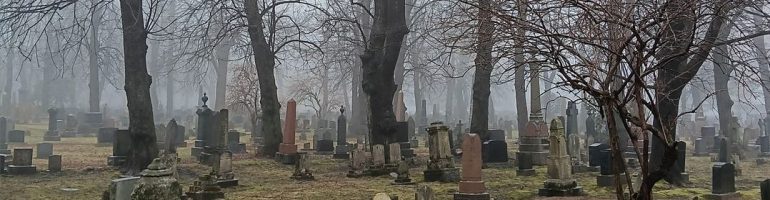
Tag Archives: witch

Spring Creations

Merry meet all,

I am inspired by spring’s fresh  green renewal! My garden is coming to life. I have big plans: this month of May, I plan to deep clean and make big changes in the kitchen. The kitchen is, to me, one of the hearts of the home. I am a devoted hardcore kitchen witch and a kitchen witch always keeps a kitchen clean and in good order. I bought a bookcase. The bookcase that stands in my kitchen now has long since expired. I think spring which is about new life and renewal is the perfect time to redo the kitchen. I can’t wait to get the bookcase which has to be assembled first and then painted is the right time for this project. 

I bought artificial moss, artificial flowers and vines, butterfly and insect stickers, a tiny birdhouse, and I plan to make a faerie portal on a stand. I can paint the bookcase. That was good news to me when I read that on the website. My imagination was fired up. There was only one colour choice for me and I bet you can guess it- green! Green is the colour of spring after a winter of rustic browns and faded greys. 

I am going to paint it a deep forest green colour. I plan to paint the birdhouse. I have some wooden dowel rods. I want to glue the birdhouse to the wooden dowel rod. I’m going to glue the moss to the bookcase once it is painted. I also want to add fairy lights.  plan to glue on acorns, pinecones, the butterfly stickers, artificial leaves, and give it a real fairy/ witch bookcase feel and look. It will be amazing. The bookcase arrives on Saturday. 

I can’t wait to be rid of the old bookcase. It is fragile and could fall down any moment. It had too much weight on it. Plus, it’s plain and white and ugly and an eyesore.  The bookcase that arrives on the weekend will be absolutely amazing. I have been collecting a few items to use to decorate the bookcase: feathers, a besom made from lemon balm twigs, a wooden rune, spellite stone, a pinecone, birch bark, a black candle and another ornate thing I don’t have the name for but it looks so mystical. 

I added a kitchen cabinets organizer to the cupboard that stores my mugs, cups and thermos, etc. I could not believe the difference in the cupboard. I love it! Also, the organizer matches the colour of the cupboard and that was definitely an added bonus.! Yup, big changes here!


I am so inspired that I transformed the covers of my gardening journal. It had boring black covers. I love black and there’s nothing wrong with it. I am a ferociously creative person and it’s in my nature to grab a paintbrush to let my creativity out. I glued red tissue paper to the front and back covers. I painted the red tissue a deep green a few times. I made sure to hide all the red and trimmed the excess tissue from the edges. Then I twined two wires together to form a plant vine. I hot glued it to the front cover and painted it brown to look like an authentic plant vine. I cut the flowers and vines up from the main vines of the fake flowers and glued them to the wire to look they really grew from the wire. I glued on some butterfly stickers. It looks beautiful. The back of the book is now the front of the book. I glued designer papers to the insides of the front and back covers. The print designs are beautiful and match the theme. It’s going to be a gardening journal and should not be plain. I am inspired to write in it now!


I will keep track of the seeds I plant, the plants that I grow, the zone I live in, what worked, what didn’t, how well the plants grow etc. I hope you like it. I ordered a witchy book full of bewitching recipes. I shall soon add it to the collection of herbal books. I can’t wait to begin my new awesome project of transforming the bookcase. I have to buy green paint and I want to be certain I have the perfect colour of green. I am sure that the staff at the store will help with that. 

I‘m going to deep clean the kitchen too. Don’t you all just love spring. I found a light thin green curtain stored with my other linens. It is perfect to hide the herb jars from light but thin enough to not encourage mold. I found an old dead branch that I’m going to trim to size, scrape off the bark, and paint and hang up at my apothecary. I am just brimming with creative energy! I would love to hear about your own spring inspirations. Beltane is coming!

Enjoy spring!

Blessings, Spiderwitch


Leave a comment

Filed under Paranormal and Witchy Fiction

Root work )O(

Merry meet all,

I was just out harvesting MORE dandelion roots. They are drying now on the kitchen cupboard. I’m buying another bottle of vodka soon and tincture the roots. Or maybe I will use brandy, no, I should stick with vodka. The alcohol acts as a natural preservative.

Dandelion, Taraxacum Officinale, is so good for your health that I really question why anyone wants to spray or kill it. Dandelion root is bitter and its actions are diuretic, anti-inflammatory, antidiabetic, hepatoprotective, and it has hypeglyemic properties. “Dandelion root is a powerful diuretic, stimulating kidney function as well as the movement of bile from the gallbladder and liver. Folklore and scientific evidence supports the use of dandelion as a diuretic with intriguing possibilities that it may help with controlling blood sugar and inflammatory processes (Castleman, 2001). Due to its diuretic properties, dandelion may help PMS (Castleman, 2001, Hoffman, 2003) and, most recently, andropause symptoms (Noh, H-Y, 2013).” *Copied and taken from the Herbal Academy website. 

Digging up a dandelion root isn’t easy. Dandelion root, like yellow dock and burdock roots, have a single long stemmed taproot. I have gotten the hang of digging up the roots. If you don’t dig it up right, the root cracks. I ease my trowel into the soil slowly, and I take all the leaves and stems in one hand, then push the trowel in and around the root. Then I tug gently and the root leaves the soil. It is an art. Now you all know why I want to dig up dandelion roots. They are full of vitamins as well as the listed above benefits. 

I bring the roots home, avoiding the curious eyes of passerby, and fill a bowl with clean water. I dunk the roots in the water in the bowl outside, then empty the bowl outside. I bring the roots in and I scrub them clean with an old toothbrush. Soon I will chop up the roots and dry them on low heat in the oven. They can’t be left on the counter for long or they will mold and be tossed to the compost pile. All of those nutrients would be lost.  I have to store them and get the vodka then I plan to make the tincture. It will be amazing! You can dry the chopped roots in the oven on parchment paper at 350 F for thirty minutes. 

I already have a tincture of burdock root and dandelion roots tincturing. I plan to leave it for 3 months! But you usually wait 4 to 6 weeks or a full moon phase, if you want to get witchy about it! You can store the roots in the alcohol for a long time. Some people make dandelion tea or wine. I would love to try dandelion wine!

I’m harvesting the elecampane root tomorrow. It better not rain tomorrow or I may do it today after all. Today’s weather is overcast and clear. I have never done this before. I don’t want to kill the plant. I know how to harvest the root, I am just not experienced enough at it. I guess this is all part of learning to be a herbalist. I watched Youtube videos to see how it’s done. It will be fine. I will dry, chop and store the roots over the winter in a labeled dated jar. I love to get artsy with the labels too. 

Digging up a plant for its roots is killing the plant. In terms of elecampane, I hope to leave the roots or new buds for replanting. I have found an amazing article all about harvesting elecampane roots. I’m going to soak the roots once dug up to see the new buds. That will tell me I can successfully replant the elecampane. I have no intention of killing the roots. I just wish I had a pitchfork but my big garden shovel will work. I’ll use my boline to gather the roots I want to harvest. The rest goes back in the soil with a sprinkle of fertilizer. 

I still have to wash the pots, harvest the beans once they turn brown and hard, and make my offering. I am almost done my garden chores. I am sad and happy at the same time. I love the harvest but the harvest signifies the finale for my garden for the year. The rich gifts the earth blesses me with makes it all worth it. 

Blessings, Spiderwitch


Leave a comment

Filed under Paranormal and Witchy Fiction

Halloween Horrors

Merry meet all,

Samhain creeps closer and closer! Our most cherished time of year is almost here. Pumpkins appear on front porches and skeletons ward off unwary children. I am busy preparing for Samhain. 

Elderberries chill in my freezer, dandelion roots dry out in pumpkin shaped bowls, and chrysanthemums fill glass dishes with their sunny petals. To see my kitchen is to understand a herbalist lives here. Jars and jars of dried herbs clutter the shelves. Empty jars waiting to be used fill baskets. A true herbalist lives here. My kitchen is small and cluttered, but I have it down to a system. Elderberries, chrysanthemums and dandelions are good herbs for Samhain. The elderberries and dandelion roots are good for combating illnesses during cold and flu season. 

How to Harvest Dandelion Roots:

The best time to dig up roots is in the autumn and spring. I prefer the autumn, as I like to leave the flowers for the bees. Dig around a dandelion plant under the leaves. I never wear gloves while I’m gardening. I loosen the soil and dig under the plant, feeling for the long root. The root resembles a carrot, both are taproots. As you dig, that loosens the soil and as you feel for the taproot, you can tell if it is long. Give a very gentle pull and it should all come loose in your hand. Then pull the root out and shake off the soil. Wash the roots outside in a large dish full of clean cold water. Empty the water out and scrub the roots clean with an old tooth brush, then chop and dry them. If dried properly, they should keep for a year. It is very easy to do! 

My blog post is up and haunting the Horror Writers Association annual Halloween blog event! I posted about how writers can portray their characters, either a witch or a warlock, use the most deadliest herbs in a scene accurately. In other words, how to write about them using the herbs and make it really believable. Wolfsbane, belladonna  or mandrake are potent and deadly. If a character ingests the herb whether by incense smoke or not handling it properly, then gets sick then is expected to be fine, it is then not believable. I am helping the writers to write about their characters using these notorious herbs the correct way. Here’s the link: https://horror.org/halloween-haunts-bane-herbs-in-fiction-by-heddy-johannesen/

I wrote a short story (2000 words) about a night of trick or treating gone all wrong for a publication. I hope they want to publish it. The story was a lot of fun to write. 

Here is the blog post for you to read and enjoy!

Bane Herbs in Fiction

Heddy Johannesen

Do you want to write about bane herbs in your stories? Let me navigate that dangerous territory with you. I will discuss how you can write about bane herbs in your novellas and horror novels accurately. This post tells how to have your character using these herbs, if that character is a witch, warlock or one of the cunning folk, you can portray your character using these herbs the right way if you read this.

Bane herbs mean poisonous or toxic herbs. The most beautiful plants are often the deadliest. The plants listed below fall in that category. That is the illusion they cast. Never ingest the plants listed below in any shape or form. The symptoms of poisoning include nausea, vomiting, faintness or difficulty breathing, even death. Surprisingly, most of the following herbs also contain medicinal qualities.

If you have a character possibly using one or more of these plants and think that character won’t be affected, whether they’re fighting off a horde of werewolves or zombies, you’re wrong. Just in case a savvy reader calls you out on your error, that is why I am here. Don’t let this scare you. Again, never ingest the plants on this list. Use caution and common sense. The plants listed below all have varying degrees of toxicity.

*Flying ointments don’t make a person fly. It is an ointment prepared with the intention to make a person feel like they are flying, usually applied to a person’s skin while performing a meditation. It’s not advised that said person doing the meditation operate heavy machinery afterwards.

Now, grab a coffee and your herbal basket and stroll with me.

Belladonna (atropa belladonna)

Belladonna is known for Atropos, one of the three Fates who cut the threads of life with her shears. Indeed, this plant lives up to its reputation as it provides a deadly poison which causes hallucinations. Belladonna contains the alkaloids tropane, hyoscine, hyoscyamine and atropine.

The berries are sweet but deadly. The symptoms include difficulty in swallowing and speaking, vomiting, drowsiness, slurred speech, hallucinations, confusion, and agitation. The root has the highest concentration of toxins but the berries are most potent.

Magical properties and uses: inducing visions; aiding astral projection incense; oils; flying ointment

Datura (datura stramonium)

Datura is known as thorn apple. The tropane alkaloids are similar to deadly nightshade and henbane. They can cause confusion, delirium, and hallucinations, drowsiness, coma and pupil dilation.

Magical properties and uses: reversing hexes; protection; astral travel; invisibility; enchantment; and magical power


Elder (sambucus nigra)

Respect your elders! Elder is a large shrub to treat with respect due to its’ dual natures to heal and poison you. The berries contain cyanide yet this plant can boost your immune system. Elder contains cyanide inducing glycosides. Once cooked or used in a dehydrated form, the sweet purple berries can be made into jams, syrups and tinctures. Yet it is advised to treat Elder with caution.

Magical properties and uses: banishing; exorcisms; protection; healing; prosperity; peace; beauty; love

Foxglove (digitalis spp)

Foxglove is a stately plant. It can be deadly even in small amounts. Foxglove contains cardiac glycosides called digitoxin, digitalin,  digitonin, digitalosmin which produce aglyconen and a sugar. The aglycones affect heart muscles. It causes slowing of the heart, and/ or massive heart attack as the heart tries to get enough oxygen to the brain. Foxglove is an emetic herb.

Magical properties and uses: protection; communion with the Underworld; faery connection; courage; heart healing

Mandrake (mandragora officinarum)

Mandrake is a magical plant. It is a stemless perennial with a coveted fleshy taproot. Witches love growing mandrake in their witchy gardens. The root is notorious for having special powers. Lore says that the root emits a terrible scream when it is uprooted. The lore also tells that a dog was tied to the plant, the dog was offered a bone then the dog would uproot the root to get to the bone. The root would be removed from the soil and the poor dog suffered the terrible maddening scream and possibly be driven mad. The root has aphrodisiacal powers and is reputed to be shaped like a man.

Mandrake belongs to the nightshade family of plants. It contains the constituents of tropane alkaloids, hyoscine and atropine. The effects of those compounds are hallucinogenic, narcotic, emetic and purgative. The effects are similar to deadly nightshade and henbane.

Magickal powers and uses: protection; prosperity; fertility; exorcising evil; love; health

Rue (ruta graveolens)

Rue is known as an herb o grace. Rue is grown in many gardens as an ornamental plant and as a medicinal herb. Rue contains the rutine constituent, a glycoside that has furocoumarins alkaloids, tannins and essential oils. If one rubs it on their skin, they can contract dermatitis. Rue can cause vomiting, diarrhea, acute gastroenteritis, and liver failure.

Rue is used in folklore to guard the home and prevent evil spirits from entering the home. It was worn on a belt to keep witches away.

Magical properties and uses: health and mental powers; encourages peaceful vibrations; reverses hexes; guarding the home

Wolfsbane (aconitum napullus)

We now come to the most beautiful, oldest and deadliest of all the bane plants. Wolfsbane’s principal alkaloids are aconite and aconitine, aconitine being the most toxic compound found in the plant. Even accidental ingestion can result in severe gastrointestinal upset and slowing of the heart rate. Wolfsbane has an unpleasant bitter taste. The entire plant is poisonous.

Magical properties and uses: protection from evil and werewolves; predators; invisibility

I hope you enjoyed reading about these ‘notorious’ herbs, their many properties and uses. Just don’t forget to read the warning labels.

Blessings, Spiderwitch )O(


Leave a comment

Filed under Paranormal and Witchy Fiction, Samhain

Autumnal garden activities )O(

Merry meet all,

Tomorrow is the Autumn Equinox. It surprised us all  here in Halifax. The leaves are showing those famous fiery colors. The elderberries ripen on the stems, the queen Anne’s lace, goldenrod and burdock slowly go to seed. The sky is overcast here, and everyone is scrambling to get ready for hurricane Fiona. 

I was out in my rain soaked garden this morning. Slugs clung to leaves while wasps sipped pollen. This is a bittersweet time for me. The squash and tomatoes are setting fruit late this season, I am not sure why. It could be because we had a heatwave this summer. You would think that heatwave would have been beneficial for sun loving tomatoes but no. The tomatoes are growing now. Ah well. 

I have to put my garden to sleep for the cold winter ahead and I am sharing how I plan to do that in this post today. My witch hazel flowers late in the year. I love my witch hazel. I plan to buy a huge bag of soil and arrange the soil around the trunk, then I will add a big bag of worm castings into the soil to leave nutrients for the witch hazel. I might even buy some wood chips to act as mulch. I am trying to think of what else I can leave there as a nutrient rich compostable mulch for the roots to feed on all winter. I would have to remember to remove the wood chips because the lungwort blooms wonderfully under the witch hazel in the spring. 

The leaves cascade to the earth every autumn. I usually just keep the leaves there all over my garden all winter. They act as a natural mulch/ blanket that protects my garden during the harsh winter. I rake them away in the spring. I may sprinkle worm castings, bonemeal, eggshells and coffee grounds all over my garden. 

The leaves of the plants, the vines, flowers and whatever I don’t harvest naturally dies back. This is the most free natural compost ever. I have a wooden compost box. I will store the faded dead leaves, branches, stems in the box. Most of the foliage I leave where it is to act as a natural compost and soil nutrients all winter. I spread the soil I used to grow the potatoes over my garden. The soil was amazing! The soil was loose, loamy, obviously nutrient rich and dark black. I loved it and I am sure the garden did too. The rain washes away the soil so it was nice to add rich soil to the garden. 

I still have to harvest the celery, lemon basil, raspberry leaves, mint, tomatoes, healthy disease free witch hazel leaves and beans. The red flowers of the scarlet runner beans are growing so well now. The pollinators are busy. The beans also grow overnight it seems. The leaves I keep on the soil are a nice refuge for hardworking insects too. I’m letting the purple coneflower go to seed. The bees love purple coneflowers. The nasturtiums are still blooming, and I watched as a wasp visited one fiery nasturtium bloom this morning. The wasps built a nest on the inside of the shed door. 


I harvested the beautiful Chinese lanterns in the photo above. I am amazed at how rich the colours are. I’m waiting and hoping the calendula blossoms soon. I have no idea why it takes so long. I harvested and pressed the lovely yellow heliopsis and I have pressed many other flowers. I want to make a Samhain/ autumn candle lantern like I did with the  Summer Solstice lantern. I want to paint the jar a rich deep Burgundy colour so the autumn colors really pop out. Yup I think it will be gorgeous. 

Pressed purple coneflower


I still have to harvest the elecampane roots, seeds and flowers. The stalk is turning brown. I will harvest in October. 

I have recipes to make elderberry mead, hawthorn cordial, elderberry syrup, cranberry sauce . They are perfect for guarding the health of your immune system all winter. Winter is known for the time when colds, flus and illnesses spread. Those recipes are sure to boost your immune system! Elecampane has inula in the roots. I can’t wait to harvest elecampane and feel like a true herbalist. I have harvested mullein root, and I want to harvest dandelion and burdock after a cold snap. The winter squash has a flower now. I don’t understand why it waited till now but plants follow their own calendar, not the calendar we impose on them. 

Elecampane


What to Forage in Fall: 30+ Edible and Medicinal Plants and Mushrooms

I’ve included the recipes here for your own convenience. I hope you try them and let me know in the comments below how it went. I am available here if you have any questions on how to make herbal remedies to guard your health and your family’s health this coming fall season. Now is the time to stock up on ginger, onions, elderberries ( remember: they are not edible raw!), echinacea tinctures, etc. But more on that later! Blessed Mabon to everyone! Or, if you prefer, Happy Autumn Equinox! 

Blessings, Spiderwitch

How To Clear The Garden In The Fall – What To Do With Your Plants & Soil!

How to Make Elderberry Mead

https://theherbalacademy.com/homemade-bug-bite-salve/

https://theherbalacademy.com/homemade-fire-cider/

https://theherbalacademy.com/herbal-cough-syrup/

https://theherbalacademy.com/foraging-goldenrod/

Leave a comment

Filed under gardening, organic, Paranormal and Witchy Fiction, Samhain, seeds

Helen Creighton – Canada’s Lady of Folklore

Merry meet all,

As I type here, the rain’s pouring. The sky is heavy and overcast. I haven’t been out to my garden yet. It’s mid-August but the bugs are still harassing me, the weather is still warm but stores are stocking Halloween goods early. I am not ready for the spookiest time of year. That has to do with the goods in my garden growing late in the year due to the heatwave.

Here is a fascinating story about a true paranormal investigator. Read on and enjoy!

Canada’s Lady of Folklore

Helen Creighton

 Helen Creighton was a celebrated folklorist, author, and pioneer researcher. She is  best known for her book Bluenose Ghosts about firsthand accounts of spine-chilling tales. Creighton excelled at collecting local folk ballads, folk tales and ghost stories. She is also known for her skill at collecting local dances, games, cures and proverbs.
            She was born with a caul. A person born with a caul will have a warning before danger. This proved true when Creighton explored the province in search of folk tales. One night she stayed at an inn the night before the Miramichi Folk Festival and had a dream of a child coming towards her. The next day a deer jumped in front of her car on the highway. She would have several of these portentous experiences including her own doppelganger warning her of danger. It made her the perfect person to lend an empathetic ear to those sharing their own experiences.

Because Creighton encountered their stories with a sense of empathy, people trusted her and felt comfortable opening up to her about  their tales, customs and ghost stories. An elderly man once told her, “You’ve got a way with you; you’d bewitch the devil.”

The blurb for Bluenose Ghosts reads: “Haunted houses, headless ghosts, phantom ships, supernatural warnings of death – these are just some of the unexplainable and mysterious phenomena that appear in Bluenose Ghosts. Written in a personable and accessible style by celebrated folklorist Helen Creighton, Bluenose Ghosts is based on the experiences of ordinary people as told to the author over a period of thirty years. These chilling stories come from across the Maritimes – the Highlands of Cape Breton, the woods of New Brunswick, and the harbours around Halifax. First published in 1957, Bluenose Ghosts is a classic of Nova Scotia folklore presented here in a new format and with a foreword from Clary Croft.”

Her career as a folk tales and songs collector spanned forty years. Her celebrated book Bluenose Ghosts focuses on true ghost stories, superstition, witchcraft and buried treasure. She recorded first-hand accounts from the people she interviewed and did her utmost best to maintain their authenticity. She was a collector of tales, not an analyzer, and she received an unfair amount of criticism for that. Creighton collected the folk tales with no intention of analyzing them. That made her stand out from her colleagues and is what was so unique about her.

She took painstaking care to record the folk songs that she collected. She had limited means to work with as she transcribed her work. Over time, Creighton met people who would assist her in accurately transcribing and preserving her work.

It happened by chance that Creighton began collecting local ghost stories. She originally set out to gather folk tales and songs. Bluenose Ghosts is chilling because the scary accounts are from real, everyday people. That is what gives her book so much appeal. The scary experiences are shared by people who have no reason to lie and know how to tell a tale. I dare you to read it at night with the lights on.

Creighton was often found carrying a meter long melodeon in a wheelbarrow when she visited people. She used a tape recorder when it was invented ten years later.  Creighton worked tirelessly to collect four thousand folk songs and tales of eerie spectral encounters. It demonstrates her immense respect for what ordinary men and women had to say. She was determined to preserve their tales to keep them from disappearing in the mists of history.

Creighton may have recorded thousands of folk tales, ghost stories and songs. Yet it was the voices of those she interviewed that shone in the books and tapes. She never got in their way or tampered with their words. She was given the nickname the Ghost Lady by those she interviewed.

Here is an unsettling excerpt from the book: “An East Chester woman said, “My uncle was a contractor, and when I was fifteen, he and I were going home to Mahone Bay from Western Shore. When we were in the woods I heard a horse and it seemed to be so close that I could almost feel its breath. I looked around and what I saw was a horse all right, but there was a man sitting on it with no head. My uncle didn’t see it, and I was too scared to speak until we got home and then all he said was, ‘That’s nothing. Lots of people have seen that horse and rider.’ Since then I have asked many people but nobody seems to know who the rider is supposed to be.”

A headless ghost and his horse, top that. That is one of many chilling tales from regular people simply sharing their stories. This is why I love the book and why it spooks me.

Here’s a second excerpt about a sea captain, the devil and a set of playing cards:

“They were his own cards anyway, so he put them in his sea chest and locked them up. “That night he was awakened from his sleep and was surprised to see a man sitting on his sea chest. He was dealing cards, and he dealt four hands. Then the stranger saw that the captain was awake and asked him to sit in and have a game with him. Before he could make up his mind he looked at the man’s feet and saw the cloven hoof. He screamed and the stranger disappeared, and that was why he would have nothing more to do with playing cards.””

The excerpts above demonstrate how spine tingling the book is. No other book compares to Bluenose Ghosts. I highly recommend the book to anyone who craves a salty maritime ghost story.

Creighton left Canadians with a trove of rich folklore. She ‘still hasn’t been matched”. Her style and approach were considered unconventional. “Horace Beck wrote (that), “Perhaps your most important achievement is that you have done something no one else has been able to do in North America. You have brought folklore to national and public attention and given it a status in Canada it has never achieved in the United States. This you have done most singlehandedly and for this all folklorists must be forever grateful.””

Helen Creighton left a legacy to those who are passionate about ghost stories and the paranormal. She was a true pioneer. When Helen Creighton began her career, she was untrained and inexperienced but that didn’t stop her.

“Over the course of her career, Creighton collected over 60,000 materials including 4,000 songs and ballads. She authored thirteen books of traditional songs, ballads and stories, of which her Bluenose Ghosts is the most widely known. She also wrote an autobiography, and a number of articles. She received many awards, including Distinguished Folklorist of 1981 (Canada); six honorary doctorates; Fellow of the American Folklore Society, Honorary Life President of the Canadian Authors’ Association; and The Order of Canada. Helen was awarded Lifetime Achievement Award in 2017 by Folk Alliance International. In 2018, Parks Canada designated Helen Creighton a nationally significant person who helped define Canada’s history.” The collection of her life’s work now resides at the Nova Scotia Public Archives.


Blessings, Lady Spiderwitch

Leave a comment

Filed under Paranormal and Witchy Fiction

Litha

Merry meet all,

 We had a big rainstorm over the last 2 days. It was amazing how much rain there was. I just checked my garden and everything survived. Now the sun is shining his hardest. 

A word of caution here: Pretty Litter is the biggest money grab scam EVER. Yup I will never buy cat litter from them again. My Mom gave me money for cat litter. I had already bought a bag of cat litter. They withdrew the money as if they had every right before I could even get to the store to buy the shoes. I checked my account thanks to a mobile app. The money was gone and I knew who the rat was. Pretty Litter has some dodgy crap excuse and some serious erroneous self-entitlement attitude problem. They stole the money, refuse to issue a refund despite me making it amply clear I never wanted a second box of cat litter. They refuse to refund my Mother. They never sent a second box of cat litter. I am so contacting the Better Business Bureau to report their sorry butts. I bet I won’t get the second box of cat litter either. I never received a confirmation email. They now have some unbelievable non refund policy. They ever withdraw even a dime from my account again. They will regret it. I just reported them to the Better Business Bureau. I feel so good right now. 

The Summer Solstice approaches! My garden is in full gorgeous green swing. It already is summer in my garden. Everything is in bloom and every insect in creation is enjoying it. Litha is the summer solstice and marks the beginning of the summer season. It is the longest day of the year and the shortest night of the year. It marks the height of the sun’s power. 

The God is now in his power and the Goddess brings forth abundance. The crops are full. Ancient Witches and pagans  celebrated Litha with torch processions and maintaining a balance between the Elements of Fire and Water. Herbs were gathered for their healing powers. 

Decorate your altar with fresh flowers, herbs and fruit. Perform a re dedication ritual to the God and Goddess. Burn a candle to show a devotion to the Horned God. 

Litha is also known as Midsummer. Now is a good time to perform faerie Magick. They are out and about now. Offer them blessings and they will help you in your garden! 

SYMBOLS OF LITHA

Colors:  Blue, green, yellow, pink, purple (look to nature for the colors of Litha, as seen in the sky, woods and flowers) 

Foods:  Honey, elderberry, strawberry, fennel, thyme, fresh greens, mead, light wines 

Stones:  Peridot, diamond, emeralds, lapis lazuli  

Symbols:  Bonfire, sunwheels, flowers  

Flowers & Plants:Oak, mistletoe,, elderflower, lavender, pine, fern, pine, rose 

Deities:   Aphrodite, Astarte, Freya, Ishtar, Helios, Llew, Holly King, Lugh, Sol, Ra, Zeus, Thor  

WAYS TO CELEBRATE LITHA 

  • Make floral wreaths for your front door

  • Host a bonfire and potluck for family and friends 

  • Gather and dry herbs to use throughout the coming year

  • Take time to meditate and give thanks for the blessings you have in your life 

  • Create an ‘invisibilty’ amulet from seeds of ferns gathered on midsummer eve 

  • Build a Faerie House in the woods, to invite their goodwill into your life 


https://www.mabonhouse.co/litha

Blessings, Spiderwitch

Leave a comment

Filed under Paranormal and Witchy Fiction

The Fires of Beltane

Merry meet all,

The Wheel of the Year has turned again! The Beltane Sabbat is upon us. But I keep seeing ads that tell us we are halfway to Samhain. I just feel like jumping up and declaring, “No, not yet, I don’t have my plants in the ground!”. Beltane is about fertility, love magic, passion and flowers. I am excited to see my garden growing! The chives, woodruff, lemon balm, dandelions, coltsfoot, raspberries and tiger lilies are up. Even the lungwort has already flowered! It is just beautiful. I went on a long walk on the nature trail.

We are less than a week away fron StokerCon! I am so excited! It is the premier horror writing convention for all those horror fans (including me!). I attended the virtual StokerCon last year and I can’t wait for this year’s StokerCon! A lot to look forward to! I pre-ordered Tim Waggoner’s Writing in the Dark workbook. It accompanies the original Writing in the Dark book.  My poem, The Frightening Spirit, is the second poem published by Polar Borealis this year! It will publish soon. I look forward to that too. I just approved the proofs the editor sent me.  Waggoner’s book is released on May 25, 2022.

I ordered a hot black dress from Killstar. That should arrive soon! So much to look forward to. !!

My pumpkin seeds just germinated. I am surprised. I had to wait 2 weeks for them to germinate. They did germinate and now I have to let them grow. When they are transplanted outside, I have to either thin them out or figure out where they will get the most room to grow. Pumpkin patches need lots of space and sunlight to grow their best. 

Beltane is a Pagan holiday, and one of the eight Sabbats. It falls about halfway between the spring equinox (Ostara) and the coming summer solstice, Litha. The holiday celebrates spring at its peak, and the coming summer. Beltane also sometimes goes by the name May Day. This holiday is associated very strongly with fertility for pagans.

This festival is often commemorated with bonfires, maypoles, dancing, and performing fertility rituals. Beltane is a Celtic word, meaning “the fires of Bel.” Bel, likely referred to the Celtic sun god, Belenus. The Celts used to light two bonfires because they believed it would purify themselves, as well as increase their fertility. They would pass cattle between the two fires, with the belief that it would purify the cattle, and ensure the fertility of the herd. Although this is not a ritual that is practiced now, modern pagans still light bonfires and practice fertility rituals on this day.

Modern-day pagans celebrate Beltane in a variety of ways. One way to celebrate is with a maypole. In this custom, a pole is placed in a field with ribbons attached. Each person (usually women and girls) will grab a hold of their own ribbon, and dance around the pole in a special way, so as to weave the ribbons into a specific pattern. This is one of the more common fertility rituals that might take place on this day. Celebrators also might weave flowers into their hair, or create a floral wreath to wear upon their head as a celebration of spring. Some pagans light a bonfire and dance around (or even over) it, which is another common fertility ritual for the day. Lastly, some people prepare “May baskets,” and fill them with flowers and goodwill. They give the baskets to someone in need of care, such as an elderly friend, or someone who is recovering from an illness.

Credit given to https://www.bpl.org/blogs/post/the-origins-and-practices-of-holidays-beltane-and-the-last-day-of-ridvan/

Beltane Lore & Rites


Beltane Customs

Prepare a May basket by filling it with flowers and goodwill and then give it to someone in need of healing and caring, such as a shut-in or elderly friend. Form a wreath of freshly picked flowers, wear it in your hair, and feel yourself radiating joy and beauty. Dress in bright colors. Dance the Maypole and feel yourself balancing the Divine Female and Male within. On May Eve, bless your garden in the old way by making love with your lover in it. Make a wish as you jump a bonfire or candle flame for good luck. Welcome in the May at dawn with singing and dancing.

Going A-Maying & Bringing in the May — Merry-making and Nature communion. * Midpoint between Spring Equinox and Summer Solstice. * In Pagan Rome, Floralia, from April 27-May 3 was the festival of the Flower Goddess Flora and the flowering of Springtime. On May 1, offerings were made to Bona Dea (as Mother Earth), the Lares (household guardian spirits), and Maia (Goddess of Increase) from whom May gets its name. * Roman Catholic traditions of crowning statues of Mary with flowers on May 1 have Roman Pagan roots. * Marks the second half of the Celtic Year; one of the four Celtic Fire Festivals. Complement to Samhain, it is a time of divination and communion with Fairy Folk/Nature Spirits. * Pastoral tradition of turning sheep, cows, other livestock out to pasture. * In Pagan Scandinavia, mock battles between Winter and Summer were enacted at this time. * Building on older tradition of this time being a holiday for the masses, in the twentieth century, May Day has been a workers’ holiday in many places. * Some say that Mother’s Day, in the USA, Mexico, and elsewhere has Pagan roots.

Maypole

Forms include pole, tree, bush, cross; communal or household; permanent or annual. * In Germany, Fir tree was cut on May Eve by young unmarried men, branches removed, decorated, put up in village square, & guarded all night until dance occurred on May Day. * In England, permanent Maypoles were erected on village greens * In some villages, there also were smaller Maypoles in the yards of households. * Maypole ribbondances, with two circles interweaving; around decorated bush/tree, clockwise circle dances.

Flowers & Greenwood

Gathering and exchange of Flowers and Greens on May Eve, pre-dawn May Day, Beltane. * Decorating homes, barns, and other buildings with Green budding branches, including Hawthorn. * Making and wearing of garland wreaths of Flowers and/or Greens. * May Baskets were given or placed secretly on doorsteps to friends, shut-ins, lovers, others. * May Bowl was punch (wine or non-alcoholic) made of Sweet Woodruff blossoms.

Beltane Fires

Traditionally, sacred woods kindled by spark from flint or by friction — in Irish Gaelic, the Beltane Fire has been called teine eigin (fire from rubbing sticks). * Jump over the Beltane Fire, move through it, or dance clockwise around it. * Livestock was driven through it or between two fires for purification and fertility blessings. * In ancient times Druid priests kindled it at sacred places; later times, Christian priests kindled it in fields near the church after peforming a Christian church service. * Rowan twigs were carried around the fire three times, then hung over hearths to bless homes. * In the past, Beltane community fire purification customs included symbolic sacrifice of effigy knobs on the Beltane Cake (of barley) to the fire, or, in medieval times, mock sacrifice of Beltane Carline (Hag) who received blackened piece of Beltane Cake; Maypoles in Spain were each topped with a male effigy which was later burned. Contemporary Pagans burn sacred wood and dried herbs as offerings in their Beltane fires.

May Waters

Rolling in May Eve dew or washing face in pre-dawn May Day dew for health, luck, beauty. * Getting head and hair wet in Beltane rain to bless the head. * Blessing springs, ponds, other sacred waters with flowers, garlands, ribbons, other offerings. * Collecting sacred waters and scrying in sacred springs, wells, ponds, other waters.

Sacred Union & Fertility

Union with the Land focus, often with actual mating outside on the Land to bless fields, herds, home. * May Queen (May Bride) as personification of the Earth Goddess and Goddesses of Fertility. * May King (May Groom) as personification of Vegetation God, Jack-in-Green — often covered in green leaves. * At Circle Sanctuary, in addition to May Queen & May King, is May Spirit Couple, an already bonded pair. * Symbolic Union of Goddess and God in election/selection, crowning, processional, Maypole dance, feast. * Morris Dancers and pageants (with Hag & Jack-in-Green) to awaken the fertility in the Land.

Credit given to Circle Sanctuary site. 

I hope you found this post interesting! I shall post the link to Polar Borealis when the new issue is published. Till then, be well and enjoy Beltane!

Blessings, Spiderwitch


Leave a comment

Filed under Paranormal and Witchy Fiction

Sustaining Seedlings

Merry meet all,

This post tells you how to sustain your indoor seedlings until it is time to transplant them. I was out in my garden this morning. I’m delighted to see so many plants come up, thumbing their green noses at winter. Lady’s mantle, chives, raspberry, mullein, tiger lilies, my haskap berries, lavender, sage and red clover. These are just a few. I live in zone 6. It is not time yet to transplant the seedlings yet (how I wish). It’s hard to keep them going but this post will share tips on how to grow them to their very best potential. 

The first tip I want to mention here is not to overwater them. This is why it pays off big time to do your research on plants. Sage, lavender, thyme, oregano and rosemary may originate from the Mediterranean. They like hot, arid conditions. I mist the plants with a spray bottle once to twice a day. That is it. If you do drown your plants, that can cause root rot or damping off. Then the seedlings die. Mist them, get the surface of the water wet or maybe a little more. I water them in the morning. 

Make sure your plants get lots of access to sunlight. You can use a grow light if you wish. This is almost more important than the plants getting water. The natural sunlight encourages the strong plant and root growth vital for them growing so strong. Plants can turn and stretch to reach the sun. This is why you hear people telling you to turn the pots. Plants reach toward the sun. 

Good soil is the next point here. My seedlings are healthier this year because I used good quality soil. I mentioned this in a previous post. I am sure it is because I used good soil instead of poor soil from the dollar store. The bad soil lacks the nutrients. 

While we are at it, get good seeds too. I ordered a package of mystery seeds from Green Witch co. I am so glad I did. I have never had such good luck with seedlings as this spring. I am sure it is a combination of the watering techniques, the soil and the seeds. Plus, I don’t use peat pots. I prefer the plastic starter pots over peat pots. This is a big tip. The peat pots don’t hold water the same way as peat pots do. I also have McKenzie heirloom seeds and organic seeds. 

Some people rush in using potting soil to start their seeds in. Nope, you need a good seed starting mix to grow seeds in. When they outgrow the starter pots and need to be transplanted into bigger pots, then you can use potting soil. You can even mix the two soil types together. 

Be gentle with the seedlings. Transplant them gently into their new pots. Be careful with the seedlings and they take over from there. Plants are living beings and have a mind of their own. Fertilize them when they are in their new pots placed on a window ledge where sunlight streams in. Watch them grow beautifully. It is amazing how plants work. 

The last point to make here is to have patience with the seedlings. You were a baby once too, and your mother was patient with you. Treat your plants the same way and they will grow into beautiful strong plants. Save the strong plants. I am not too happy that not all my seedlings have survived. I just do what mother nature does. I encourage the strongest seedlings to grow. 

Store the seeds you are not using in paper envelopes or very dry jars. Seeds will last a long time that way. Be sure to label and date the containers. 

If you follow all these tips, your plants may make it to transplant time. Never let the soil dry out, keep it moist. Place them in sun or under grow lights. Good luck planting!!

Blessings, Spiderwitch


Leave a comment

Filed under Paranormal and Witchy Fiction

Solitary witchcraft

Merry meet all,

I am a solitary Witch. I am proud of it. I have witnessed and experienced firsthand how awful it is to be in a coven, especially when that coven is run by narcissistic, power-hungry, sociopathic assholes, pardon my language. I was mistreated for years. I now have nothing to do with them. This post will discuss the few good things and many bad things about being in a coven. I no longer want to be with a group of people who have the nerve to call themselves Witches that you can’t turn your back on. Nope, no more for me. 

The one thing that infuriates me is that the High Priest and Priestess, the Elders, never did anything about the way I was treated. Instead, they made excuses for them or blamed me. Well after I was screamed at on a camping trip so bad that I was nauseoous, suffered tons of verbal abuse, and manipulation. After a while, when it was made clear this would never change, I found empowerment in being a Solitary Witch. 

When you practice as a solitary, it can get lonely. There is no one to tell you when to cast a spell or clean up spilled incense. You are on your own. But if the coven you are with is dysfunctional, please don’t waste your time or precious energy. Just leave and find a fairer field. You deserve better. Also, never pay to join a coven. You never have to pay money. 

This post below will help you decide if the solitary path is meant for you. 

Is Solitary Witchcraft Right For You?

A big misconception about witches brought about by movies, television shows and other mainstream media is that you have to be a part of a coven in order to effectively practice the craft.

Being part of a coven is great for learning basic skills and practices unique to that school of thought, as well as feeling connected to a magical family, but solitary witchcraft better fits the witch who thrives on being alone and following the veins of their own personal magic, rather than that of a collective coven.

Solitary witchcraft isn’t for everyone. For some, this practice can lead to feeling more isolated and drained from performing spellwork. In this post we’ll discuss the in’s and out’s of a solitary magical practice so you know if it’s right for you!

Image Credit: Canva

What Is Solitary Witchcraft?

I would like to start by saying, whether you choose to be part of a coven or practice alone, there is no right or wrong way to practice your craft. Each witch is unique and encouraged to find their own way of doing magic.

Solitary witchcraft is exactly what it sounds like: witchcraft that is practiced by yourself.

Solitary witchcraft can encompass any style of witchcraft, such as Green Witchcraft or Kitchen Witchcraft. Solitary witches can practice any religion they choose alongside their craft, such as Wicca. The only important indicator is that their magic is performed, for the most part, alone.

If you’re interested in learning more about different types of witchcraft, check out this article: An Introduction Of 27 Different Types Of Witchcraft For The Novice Witch

Unlike a coven where there are many members to bounce ideas around and share information, a solitary witch is solely responsible for growing their practice through constant reading and research.

This is why witches that take the initiative to learn on their own will thrive as a solitary witch. If a weekend hanging out in a comfy chair reading sounds better than a weekend with friends, the solitary path may be for you.

One of the biggest benefits to being a solitary witch is that your practice is truly your own. The solitary witch does not answer to the rules of a coven. They follow their own intuition during spellwork and their daily life, choosing the paths that speak to them.

This doesn’t mean solitary witches don’t rely on others, however. Solitary witches can and do call on other entities to help guide or fuel their magic. Calling on the elements, deities, or ancestors is typical for a solitary witch, though the specifics of how and when this is done will vary based on the witch.

Image Credit: Canva

Who Is Solitary Witchcraft Good For?

As a solitary practitioner myself, I’ve always found solitary witchcraft to be the right path for introverted witches. But the term “introvert” is commonly misunderstood.

While the majority of introverts are shy, soft spoken, and reclusive, this is not always the case. To me, a true introvert is someone who gets their energy from being alone; someone who turns inward to recharge.

This would mean that an extrovert is the opposite. They get their energy from being around other people and recharge by interacting with others.

With these definitions, it’s easier to work out whether being part of a coven or taking up a solitary practice is right for you.

For example, I very much enjoy interacting with people on a daily basis. My job requires me to communicate and connect with others in various settings which I have come to love. However, at the end of a long day I have found that I turn inward to recharge.

While others may go out with friends after work to decompress, I find this to be further draining. Hence, I am an introvert and have chosen the path of solitary witchcraft.

For those that find they gain energy from others, a solitary practice would likely be stifling to you! Even if you are shy and a bit reclusive, perhaps you need the boost of another’s energy to help you excel in your craft. There is nothing wrong with this!

So if you find yourself stuck when trying to choose between a coven or solitary practice, simply ask yourself where you feel your energy comes from? Do you thrive on being alone, or being with others?

Image Credit: Canva

Is Feeling Isolated As A Solitary Witch Normal?

In short, yes. Feeling isolated as a solitary witch is still normal. Even for those that thrive while being alone, the feeling of isolation can still creep up on you.

Does this mean you should drop your solitary practice and join a coven? Not necessarily!

While there’s nothing wrong with being part of a coven, this is something Iwouldn’t recommend for a true solitary witch. It is more likely to drain you than to make you feel connected again.

Understand that the feeling of isolation is completely normal in this complicated time we live in. The world is still trying to recover from a global pandemic, protests and political unrest have become common, and in some places war is breaking out.

Be kind to yourself. Use your magic to reconnect to the earth and to your spiritual energy to stay grounded in these troubling times.

If you’re feeling disconnected with your craft, check out this article: How To Reconnect With Your Witchcraft After A Dry Spell

Image Credit: Canva

What Are The Biggest Challenges Of Solitary Witchcraft?

There are 2 big challenges of solitary witchcraft which exist at different ends of the spectrum: risk of burn-out and risk of a stale practice.

Burn-Out

Since the solitary witch lacks the support of a coven during magical rites, some spells can be especially draining. This is one reason the appeal of a coven is so high. More witches equal more energy.

If you’ve ever been part of a mass spell often organized via social media, the whole purpose behind them is to get as much magical energy focused on achieving the same specific goal.

For example, many witches recently performed a worldwide protection/ healing spell for the people of Ukraine. In this case, the more witches involved, the more potent the magic.

But for many spells, this level of energy isn’t necessary and the desired effect can be easily achieved by a single witch’s magic. It is therefore important to know your limit. 

There are also certain things a solitary witch can do to boost their magic, such as working with their chosen deities or correspondences. Calling on a patron goddess for help during a spell not only adds divine energy to the magic, but also prevents the practitioner from draining their own energy during spellwork. 

Additionally, practicing basics such as grounding, centering, and circle casting will help shield a witch from becoming burnt out, both in their workings and in day-to-day activities.

If you want to learn more about these basics, check out this category: Beginner Witch Tips

Stale Magic

On the other end, however, limiting yourself by only using certain aspects of your craft can lead to a stale practice. For most witches, I feel like this is more terrifying than being burnt out.

It’s easy to get stuck in a routine, even for magical beings. The great thing about being part of a coven is that there are always other people to bring in new ideas, new spells, and new concepts to try. This can allow your craft to grow faster than practicing alone.

But again, being part of a coven may be draining or perhaps not even feasible depending on your local community. So how can a solitary witch be sure to keep their practice fresh?

Find multiple outlets for information. Become part of a forum or online community such as Reddit’s r/witchcraft. Make connections with other witches via social media, whether they’re in your area or not. If you can, attend a meet up with other witches every once in a while.

Don’t discount your local bookstores, especially second hand stores. There are many occult gems that can be found if you know which thrift shop to check.

If you’re new to an area, swing by the closest metaphysical store and ask about similar businesses around town. Usually a small shop is more than happy to point you to fellow witches in the community.

Image Credit: Canva

Is Solitary Witchcraft For You?

Now that you know a little more about solitary witchcraft, I hope you have a better idea if it’s for you! If this article was helpful to you or you just enjoyed it, leave a comment down below and connect with me over on Instagram!

If you’re interested in learning more about Isolation Magic, check out the rest of the spotlight articles for this month: Category: Isolation Magic 

Copyright credit given to the creator of the website: https://witchwayfromhere.com/is-solitary-witchcraft-right-for-you/

I hope this helps. I wish you all a magical green spring season! Plant seeds of hope and magic!

Blessings, Spiderwitch


Leave a comment

Filed under Paranormal and Witchy Fiction

Imbolc

Merry meet all,

Production or should I say, construction of my dreamy winter coat has been postponed. The lining material has strangely vanished. I can’t explain it. Besides, I want a new colour for the lining material. The red I chose is in my opinion, the wrong colour. Since I have to live with the shade of brown for the rest of my life, I am purchasing a tan or camel colour at the end of the month. The ling material that I have now is too red, more like a wine or a burgundy color. I can’t wait to get back to work on it. 

Imbolc is here! Imbolc is the first of the three spring Sabbats. It doesn’t look like spring today. The sky is dark and overcast, and rain batters the houses and streets. Spring is a while yet in coming. mbolc is a pagan holiday celebrated from February 1 through sundown February 2. Based on a Celtic tradition, Imbolc was meant to mark the halfway point between winter solstice and the spring equinox in Neolithic Ireland and Scotland. 

All about Imbolc

Image from Wikipedia

Image from Wikipedia

Imbolc, or Imbolg, is one of the lesser-known festivals of the ancient Celts, but it was one of the four most important festivals in the Celtic calendar. For this ancient society, the year revolved around two main points; on the one hand, since the Celts were an agricultural society, everything was based around the harvest.

On the other hand, they also had an in-depth knowledge about the alignment of the sun and stars, which history suggests had great significance for them. So their calendar was neatly divided up into four quarters, with a festival to celebrate reaching each one. The year started with Samhain at the end of October, when the harvest was in full swing, to prepare for the onset of winter.

In Celtic philosophy, light must always follow dark, so this is why their year began on such a somber note. Bealtaine at the beginning of May marked the coming of summer, the beginning of sowing crops, and the light half of the year, and was the biggest and happiest celebration. In between were Lughnasa in August, marking the beginning of the harvest, and Imbolc in February, to celebrate the beginning of spring.

What was Imbolc about?

Simply put, Imbolc was a celebration of the end of winter and the impending light half of the year.

The hardest part of the year was over; adverse weather, cold temperatures, food rationing, and of course, no warfare (an integral part of Celtic society) would soon be a thing of the past.

Farmers were getting ready to go back to work, preparing animals for breeding, warriors were picking up their weapons again, and the political and social aspects of life that had been put on hold for winter were also beginning again.

The name Imbolc originates from ‘i mbolg’, which translates as ‘in the belly’. This refers to livestock breeding season, particularly the pregnancy of ewes, which was one of the focal points of the celebration.

Because the festival was so associated with this, it’s timing often varied – it could be anywhere from mid-January to mid- February depending on the weather and the animals’ behaviour.

It also appeared to have a more spiritual significance for the Celts too, as it’s no coincidence that more than a few megalithic monuments around Ireland are perfectly aligned with the rising sun around the dates of Imbolc and Samhain.

Imbolc was celebrated all across Ireland, Scotland, and the Isle of Man, with each region having slightly different variations in name and customs. Wales also had a remarkably similar version of the festival known as Gwyl Fair y Canhwyllau.

After the onset of Christianity in Ireland, the festival was tied in with a celebration of Saint Bridget, and transformed from a pagan one into a Christian one.

Christians used Brigid as the focal point of their celebrations to smooth the transition, as Imbolc had previously been associated with a goddess of a very similar name, Brighid. Essentially, Bridget and Brighid were the same person! As with all Celtic festivals, Imbolc involved a host of unique customs and rituals to welcome the spring, say farewell to the winter, ward against evil and promote health and wellbeing.

St Brigid's Cross Necklace

FROM OUR ONLINE COLLECTION – Sterling Silver St Brigid’s Cross 

What happened during Imbolc?

Imbolc was similar to Samhain and Bealtaine in that fire played an integral part of the celebrations, although not on the same scale. While at Samhain bonfires were lit to ward off evil spirits and at Bealtaine they served to offer protection and growth, at Imbolc they were symbolic of the sun’s return.

Rather than a huge central bonfire at the centre of the festivities, Imbolc was more about the home and each home’s hearth. Every home in the community would have their own fire burning right through the night, and during medieval times when homes consisted of actual wood and stone buildings rather than the wattle and daub huts of the Celts, all of the fires in the house were lit for the night. If for some reason that was not possible, it was sufficient to have candles lit in every room instead.

The Celts were always concerned about the weather (something that has lasted up until the present day with modern Irish people!), so Imbolc was an important time to read omens and attempt to predict the weather for the summer. An unusual but widely popular omen was if the weather was especially bad on the day of Imbolc, which meant a great summer was on the way. This is because one of the more malicious creatures in Irish folklore, the Cailleach, would spend the day of Imbolc collecting firewood for herself if winter was to last a while longer.

To do this, she would obviously need a bright and dry day to collect her wood, so if Imbolc was wet and windy, that meant the Cailleach had gone to sleep and winter would soon be over.

Visiting wells was another important custom for Imbolc, particularly holy wells. Visitors would walk around the well in the same direction as the sun traversed the sky at that point on the land, praying for health and wealth for the year.

Offerings were left at the well once this was done; usually coins or ‘clooties’ (pieces of cloth). Special foods were also part of the festivities, usually consisting of bannock – a flatbread cut into wedges – as well as dairy products and meat.

If you are interested in Celtic beliefs, you may also be interested in reading Anam Cara – What’s Soulmate?

Saint Bridget and Imbolc

The early Celtic version of Imbolc was not all that different from the festival in early medieval times when Christianity was taking hold in Ireland. One of the goddesses the Celts worshipped at this festival was Bhrigid, the daughter of Dagda (the chief Celtic deity) and one of the Tuatha De Dannan, the first inhabitants of Ireland.

She is associated with many things, most significantly poetry and fertility, but such activities as healing, smithing, arts, and crafts, tending to livestock and serpents also make the cut. She is credited with creating a whistle for people to call to one another through the night.

Some legends claim that while one half of her face was beautiful, the other was horribly ugly. She is thought by many to be the Celtic equivalent of the Roman goddess Minerva and the Greek goddess Athena.

Saint Bridget, on the other hand, was not a mythical goddess but a real woman, born in Dundalk, County Louth, around the 5th century AD.

During her lifetime she became a nun, founded numerous monasteries and performed her fair share of miracles, becoming one of the foremost advocates of Christianity in Ireland. After her death, she was made one of Ireland’s patron saints (and the only female patron saint), along with Patrick and Columba. So it was a natural progression for Imbolc, the pagan festival worshipping the goddess Bhrigid, to become the Christian festival in honour of Saint Bridget. February 2nd was chosen as the permanent day of celebration.

For the Celts, Bhrigid represented the all-important light half of the year, so her presence was much revered during the festival.

On Imbolc Eve, it was claimed that she would visit the most virtuous homes and bless everyone who slept in them, so people would leave pieces of clothing, food, or other tokens outside the entrance for her to bless, or to entice her into the home, It was Bhrigid’s role as a fertility goddess that was most important here, but for the medieval people of Ireland, her healing powers and general protective sense were as important as well as her fertility.

The majority of Imbolc traditions regarding Bhrigid or Bridget come from this time. While the tradition of leaving small tributes to Bridget on the doorstep continued for several centuries, several others sprang up too.

Celtic Inspired Torc Pendant – Celts believed the ancient Torc provided the wearer with a mystical form of protection

Ashes from the fire that was left to burn all night long would be smoothed out and left to see if a mark from Bridget appeared, to confirm that she had visited the house. Sometimes a makeshift bed would even be made up next to the fire, in case the saint wanted to rest a while.

This tradition was particularly popular in the Isle of Man and Scotland, where there were several short rhymes to go along with the tradition, acting as a call to the Saint to come and visit – generally, they were some variation on the phrase ‘Bridget, come in to our home, your bed is ready’. In some areas across Ireland and Scotland, women played a very important part in the festivities. They would make a doll figure from rushes known as a ‘Brideog’, dress it in white and with flowers, and carry it in a procession while singing hymns and poems in honour of Bridget.

At every home they passed, they would receive more pieces of cloth or small bits of food for the Brideog. Once the procession was finished, they would place the Brideog in a seat of honour and have a feast with all of the food, before placing it in a bed for the night while they began celebrations.

The most well-known tradition, however, and one that is still practiced today, is making a Saint Bridget’s cross and hanging it in the home. These crosses were a unique symbol of the transition from Paganism to Christianity. Before, bunches of rushes were tied together and hung at the entrance to homes to welcome Bhrigid. One of the stories of Bridget’s lifetime, however, recounts how she wove a cross from rushes and placed it above a dying man’s bed.

He roused from his delirium to ask what she was doing, and on hearing what it meant, he asked to be baptised before his death.

Since then, the cross has been a symbol for Bridget, and was also a familiar symbol for the Celts, making it the perfect transition symbol for Imbolc. The cross is distinctive, with a square in the middle and each point of the cross placed at a corner of the square. Somewhere between then and now, placing a cross in your kitchen came to mean that your house would be protected from fire.

Imbolc today

Unlike Samhain, which transformed into the much loved night of Halloween, Imbolc is one Celtic festival that hasn’t quite survived through history.

Although Christians still celebrate St. Bridget’s Day in Ireland and children still learn how to make crosses at the start of February, little else remains of the ancient Celtic spring festival. However, Saint Bridget’s cross, made from rushes and hung around the home just as the Celts would have done, is as good a reminder as any to the festival’s ancient and mythological origins.

Credit given to: https://www.claddaghdesign.com/special-days/all-about-imbolc/

Leave a comment

Filed under Paranormal and Witchy Fiction